Bavaria and its Alpine neighbour, Salzburg, share a landscape threaded with rivers, onion-domed churches, pastel-coloured townhouses and mountain silhouettes that shift with the light. Together, these two cities offer a journey filled with culture, craft, music and storybook scenery. Munich embodies Bavarian pride and cosmopolitan ease, while Salzburg feels like a living sonata of baroque architecture and mountain air.
Travelling between the two reveals how seamlessly history, nature and modern life coexist in this corner of Central Europe. Whether you’re wandering through Munich’s grand boulevards or exploring Salzburg’s cliffside fortresses, this region blends elegance with warmth and deeply rooted tradition.
Planning a Seamless Adventure
Many travellers begin their research with platforms like Rail Ninja, which help simplify European rail planning and highlight the most scenic connections across Germany and Austria.
Using curated rail tools can make it easier to navigate timetables and routes, ensuring your journey between Munich, Salzburg and beyond is smooth, efficient and stress-free.
Crossing the Border by Train
The train from Munich to Salzburg remains one of the most convenient and atmospheric ways to travel between the two cities.
This easy cross-border journey takes roughly 90 minutes, passing through rolling farmland, rivers, forested hills and villages that look lifted from a Bavarian postcard. As you approach Salzburg, the Alps begin to rise in the distance, signalling a shift from Germany’s broad plains to Austria’s dramatic landscapes.
Munich: Tradition, Art and Bavarian Spirit
Munich is a city that balances elegance with friendliness, grand architecture with leafy parks, and world-class museums with beer-garden warmth.
Marienplatz & The Glockenspiel
At the centre of the city lies Marienplatz, framed by the Gothic-revival New Town Hall whose spires stretch into the sky. Each day, crowds gather for the Glockenspiel, a chiming mechanical performance that retells Munich’s medieval stories through dancing figurines.
Nymphenburg Palace
This sprawling Baroque palace is a masterpiece of symmetry and design. Its mirrored halls, frescoed ceilings and lakeside gardens offer a dreamy escape from the bustle of the city. The grounds, filled with ornate pavilions and tree-lined canals, are perfect for slow afternoon strolls.
Art & Culture Districts
Munich’s Kunstareal is home to several major museums, including the Alte Pinakothek, Neue Pinakothek and Pinakothek der Moderne. Together, they form one of Europe’s richest clusters of art institutions, with collections spanning from medieval paintings to contemporary design.
English Garden
One of the largest urban parks in the world, the English Garden blends open meadows, winding streams, shaded pathways and beer gardens where locals gather in summer. Visitors often make their way to the Eisbachwelle, a famous standing wave where surfers carve the water year-round.
Munich’s Markets and Food Culture
Food is woven into Bavarian identity. Munich’s Viktualienmarkt is a feast for the senses, where stalls overflow with fresh produce, cheeses, cured meats, pastries and seasonal flowers. Grab a pretzel, a slice of local cheese and a beer from the communal garden, and you’ll blend right in with the city’s relaxed lunchtime crowd.
In the evenings, traditional Wirtshäuser (taverns) serve comforting dishes such as schnitzel, dumplings and roast pork, accompanied by generously poured beer. Yet Munich also boasts refined Michelin-starred restaurants, stylish wine bars and inventive bakeries that show the city’s modern culinary side.
Salzburg: A City of Music and Mountain Charm
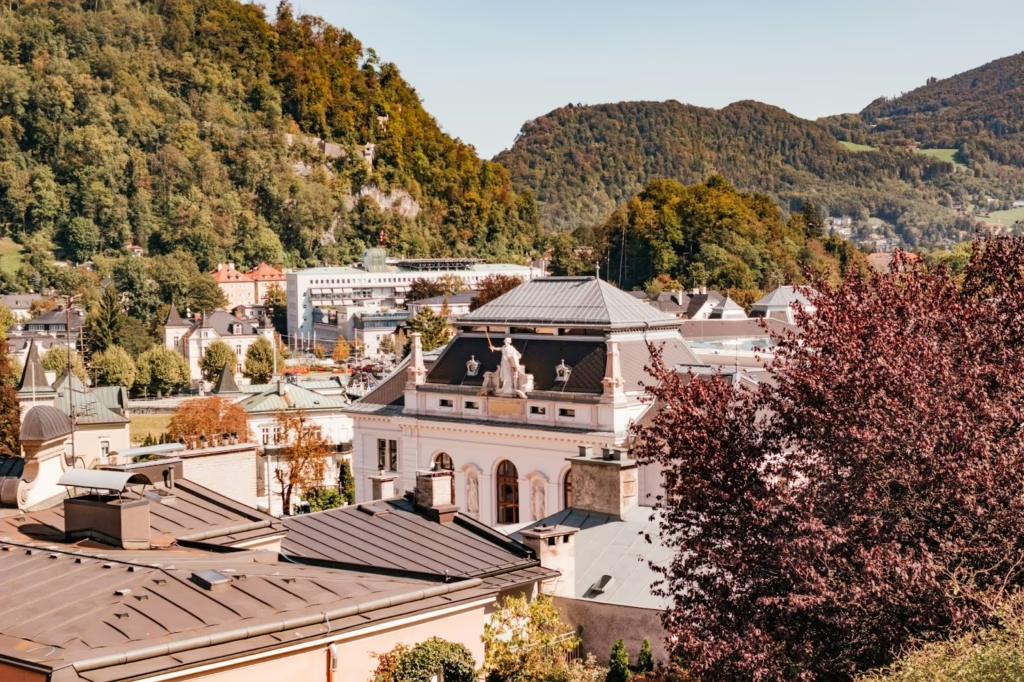
Salzburg sits at the edge of the Alps, a city of elegant domes, ornate churches and luminous baroque façades. Walk through its old town, and music seems to echo from the stones — unsurprising for a place that gave the world Wolfgang Amadeus Mozart.
Hohensalzburg Fortress
Perched high above the city, this medieval fortress offers breathtaking views of rooftops, river curves and snowy Alpine peaks. Its courtyards, towers and museums make it easy to spend several hours uncovering centuries of military and cultural history.
Mirabell Gardens
Filled with fountains, symmetrical flowerbeds and winding hedges, Mirabell Gardens are a joy to wander — especially on a sunny afternoon when the Hohensalzburg Fortress creates a dramatic backdrop. Music fans will recognise many of its corners from The Sound of Music.
Getreidegasse
Salzburg’s famous shopping street is lined with guild-style wrought-iron signs, pastel façades and narrow courtyards. Mozart’s birthplace, with its iconic yellow exterior, can be found here, offering insight into the composer’s early life.
Salzburg’s Musical Heritage
Music is not simply part of Salzburg’s past — it continues to shape the city today.
- Mozart Week draws classical music lovers from all over the world.
- Salzburg Festival, held each summer, transforms the city into a global arts stage filled with opera, theatre and orchestral performances.
- Churches throughout the city hold regular concerts, filling baroque interiors with rich, resonant sound.
For travellers, experiencing a performance in Salzburg is one of the most memorable cultural moments Europe offers.
Nature on the Doorstep
Both Munich and Salzburg reward travellers who enjoy time outdoors.
Munich’s Lakes & Alps
Munich is surrounded by stunning lakes, including Starnberger See and Ammersee, perfect for swimming, cycling or waterside picnics. The Bavarian Alps are also within easy reach, making day trips to Garmisch-Partenkirchen and Neuschwanstein Castle simple and rewarding.
Salzburg’s Alpine Trails
With mountains so close to the city centre, Salzburg is ideal for short hikes. The Kapuzinerberg and Mönchsberg hills offer forested trails and panoramic viewpoints, while the nearby Salzkammergut region boasts sparkling lakes surrounded by dramatic peaks.
Why This Region Captivates Travellers
What makes Munich and Salzburg such a captivating pairing is the balance they strike between grandeur and charm. Munich dazzles with its palaces, art museums and wide boulevards, while Salzburg enchants through baroque architecture, musical heritage and Alpine scenery.
Together, they offer travellers:
- Stunning historic architecture
- Lively markets and delicious regional food
- Scenic nature on the doorstep
- Efficient, atmospheric cross-border travel
- A blend of culture, history and everyday warmth
This is a region where you can wander from a royal palace to a lakeside trail, or from a fortress summit to a cosy café — all in the same day.
Final Thoughts: A Journey Worth Savouring
Exploring Munich and Salzburg feels like stepping into two chapters of the same beautiful story. Munich brings energy, art and Bavarian pride; Salzburg adds mountain views, baroque elegance and music that seems to float on the air.
With easy rail connections, welcoming local culture and landscapes that shift from gentle countryside to soaring peaks, this journey through Bavarian beauty and Austrian charm is one that stays with you long after you leave.