From Ancient Petra to Modern Riyadh: Saudi Arabia’s Timeless Appeal
Across the shifting sands of the Arabian Peninsula lies a country where ancient trade routes, Nabataean carvings, glittering skyscrapers and vast desert horizons meet in a spectacular blend. Saudi Arabia has been opening its doors to travellers in recent years, revealing archaeological wonders, coastal escapes, vibrant cities and the kind of hospitality deeply rooted in tradition. For those curious about heritage, architecture, natural landscapes or contemporary culture, the Kingdom offers an experience that feels both timeless and new.
From the carved rose-red facades near Jordan’s border to the futuristic skyline of Riyadh, every region showcases a different chapter of Middle Eastern history. It is a place where civilisations have met, traded and thrived — and where today, rapid modernisation is shaping a dynamic future while honouring ancient roots.
Planning Your Journey Through the Kingdom
As Saudi Arabia continues to develop ambitious infrastructure projects, travellers often begin their research by exploring the expanding Saudi railway network, which plays an increasingly important role in connecting major cities and heritage regions.
This growing rail system offers a comfortable, modern way to explore the Kingdom’s diverse landscapes — from fertile oases to high plateaus and the golden dunes of the Empty Quarter.
Pilgrimage, Faith and Movement
For many visitors, a journey to Saudi Arabia holds spiritual meaning. The high-speed link that transports passengers from Mecca to Medina by train has become an essential part of modern pilgrimage travel, offering a smooth, efficient connection between two of Islam’s holiest cities.
The route follows in the footsteps of centuries of travellers who undertook this sacred journey long before trains existed.
Petra and the Nabataean Legacy
Although Petra itself lies across the modern border in Jordan, the Nabataean civilisation that carved it from stone extended deep into north-western Arabia. Today, sites such as AlUla and Hegra in Saudi Arabia offer visitors extraordinary glimpses into this ancient world.
Hegra (Madain Salih)
Saudi Arabia’s first UNESCO World Heritage Site, Hegra features monumental tombs carved into sandstone cliffs, similar in style to Petra but distinct in their inscriptions and architectural details. Its remote desert setting makes the experience even more atmospheric — you can wander between tombs without the crowds that many global heritage sites attract.
AlUla Old Town
A labyrinth of abandoned mud-brick houses reveals everyday life in a settlement that flourished along caravan routes for centuries. Its narrow alleys, restored plazas and small craft shops create a living museum feel, especially in the warm afternoon light.
Riyadh: Tradition Meets Futurism
The Saudi capital is a place of rapid growth, striking contrasts and bold architectural ambition. Glass skyscrapers rise above historical districts, and the city effortlessly blends cosmopolitan energy with cultural depth.
Kingdom Centre & The Sky Bridge
One of Riyadh’s most iconic buildings, the Kingdom Centre features a dramatic open arch at its top. The Sky Bridge offers panoramic views of the entire city — an unforgettable perspective at sunset.
Diriyah
The birthplace of the Saudi state, Diriyah is home to mud-brick palaces, restored fortresses and winding heritage lanes. The ongoing development aims to transform it into one of the world’s major cultural destinations while preserving its historic charm.
National Museum
Riyadh’s National Museum provides an engaging overview of Arabian culture, geology, archaeology and Islamic heritage. It’s an excellent starting point for travellers seeking deeper historical context.
Jeddah: A Coastal Gateway with Ancient Soul
Jeddah, perched on the Red Sea, has long served as the country’s international gateway. Its relaxed coastal atmosphere contrasts beautifully with its deep historical roots.
Al-Balad (Old Jeddah)
This UNESCO-listed district is known for its coral-stone merchant houses, lattice windows, colourful doors and traditional souqs. Wandering through Al-Balad feels like stepping through centuries of maritime history.
Corniche & Waterfront
The Jeddah Corniche is perfect for evening strolls, sea breezes and public art installations. Its calm, open spaces provide a refreshing break from the city’s historic centres.
Red Sea Diving
Just offshore, coral reefs teem with fish, making Jeddah one of the region’s leading diving destinations. Visibility is excellent, and the underwater landscapes remain beautifully preserved.
Medina: A City of Reflection and Harmony
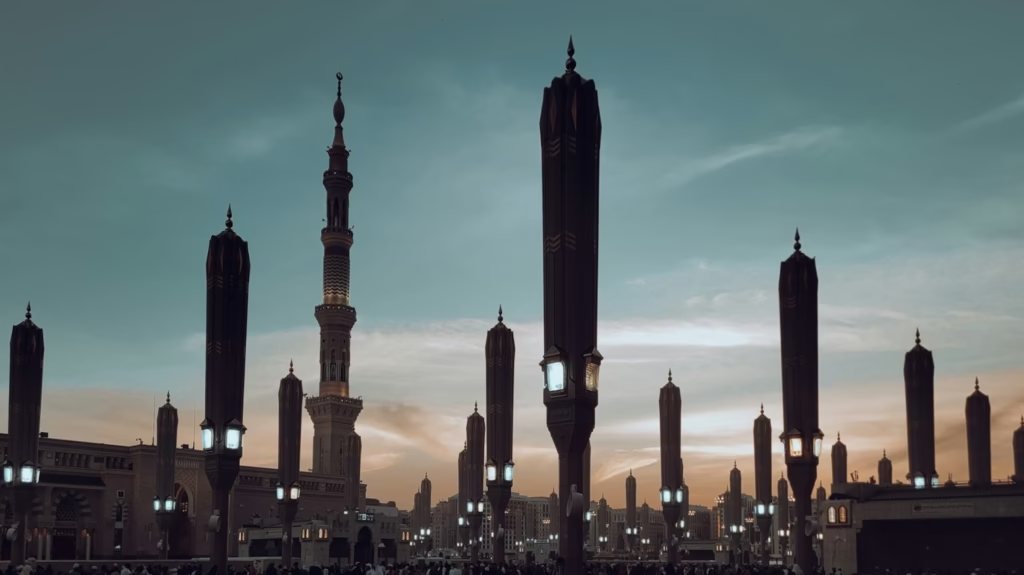
Medina is one of the holiest cities in Islam and offers a peaceful, contemplative atmosphere. For visitors with permission to enter, the Prophet’s Mosque stands at the heart of the city, radiating serenity. Even for those who do not enter, surrounding districts offer hospitality, markets and glimpses of local life shaped by centuries of spiritual significance.
The Edge of the World: Nature at Its Most Majestic
Saudi Arabia’s landscapes shift dramatically from region to region, offering settings that feel far removed from urban life.
Jebel Fihrayn (Edge of the World)
Just outside Riyadh, this towering cliff formation drops sharply into a desert plain that stretches endlessly toward the horizon. The views are staggering, especially at dusk when the rock glows gold.
The Empty Quarter
One of the largest deserts in the world, the Rub’ al Khali (Empty Quarter) features towering sand dunes shaped by wind and time. Expedition-style journeys here offer travellers a rare sense of scale and silence.
Asir Mountains
Far to the south, the Asir region boasts green terraces, cooler temperatures and cloud-covered peaks — a surprising contrast to Saudi Arabia’s desert stereotype.
Cuisine and Cultural Traditions
Saudi cuisine reflects trade, nomadic heritage and regional diversity. Visitors can expect:
- Kabsa and mandi: fragrant rice dishes with slow-cooked meat
- Mutabbaq: savoury stuffed pastries
- Dates and Arabic coffee: symbols of hospitality
- Fresh seafood: especially in coastal cities like Jeddah
Markets, cafés and family-run restaurants offer opportunities to experience local life through flavour.
Music, dance, storytelling and crafts remain integral to everyday culture. Traditional Najdi architecture, Bedouin weaving, and lively souqs all deepen the travel experience.
Why Saudi Arabia Captivates Travellers
Saudi Arabia’s appeal lies in its contrasts:
- Ancient carved tombs beside futuristic skylines
- Quiet desert plateaus near bustling modern cities
- Traditional souqs and high-end shopping districts
- Spiritual journeys alongside adventurous road trips
It’s a destination where the past is ever-present, but the future is being written at extraordinary speed.
Final Thoughts: A Journey Through Time, Culture and Landscape
From the ancient Nabataean tombs of Hegra to the shimmering towers of Riyadh, Saudi Arabia offers a travel experience both profound and dynamic. Its landscapes vary dramatically, its cities blend modernity with heritage, and its people extend a warmth that has defined Arabian hospitality for generations.
For travellers eager to explore somewhere transformative — both culturally and visually — Saudi Arabia reveals a journey filled with discovery, contrast and enduring appeal.