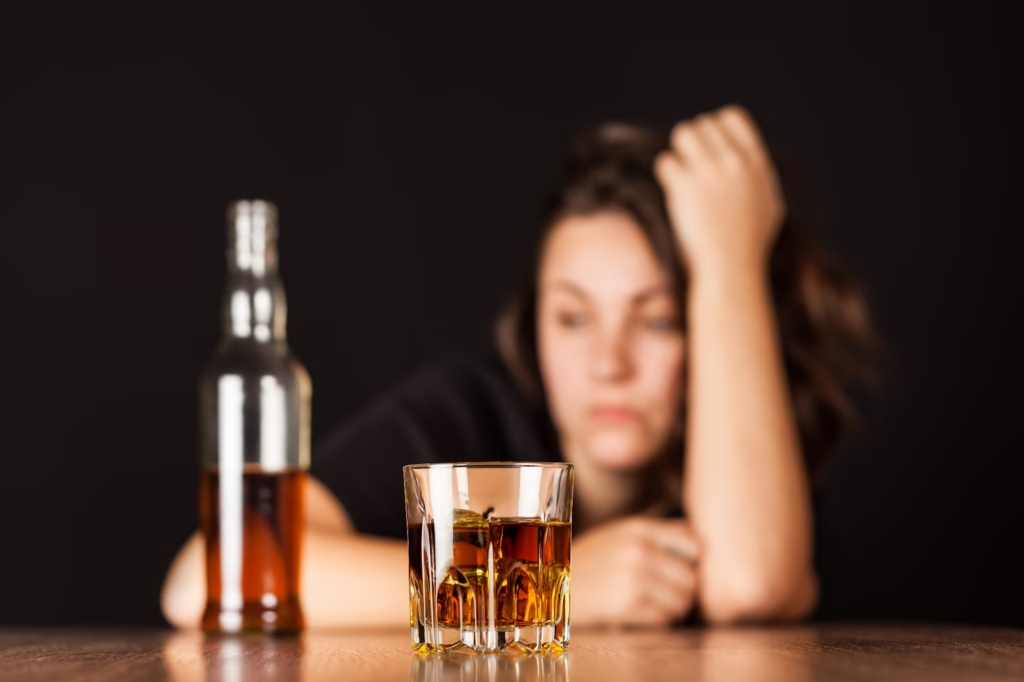
Alcoholism is a complicated illness, which concerns millions of individuals and their families, but most of them who struggle with alcohol use disorder do not rush to seek help since they are not certain when it comes to treatment options, as well as whether they can indeed recover. The fact is that there are numerous types of effective alcoholism treatment, and they are formed to meet the needs of various levels of the withdrawal problem- physical, and of the psychological nature of the addiction- the human motivation and the support needed to maintain the sobriety. The knowledge of different treatment choices one can have will enable individuals and families to make well-informed choices regarding the recovery paths that are most likely to result in actual and permanent change. Comprehensive treatment acknowledges the fact that effective recovery often comprises a combination of parts which combine to assess the biological, psychological, and social aspects of the alcohol use disorder.
Detoxification: The Basis of Physical Recovery

Alcohol withdrawal is not merely a rather unpleasant event- it is rather dangerous and even life threatening. The body reacts to the withdrawal of the drinker by the withdrawal symptoms which are such that they may include tremors and sweats or include severe complications such as delirium tremens and convulsions when the drinker abstains after a long period of hard drinking. These severe health hazards mean that detoxification, which is medically-monitored, must always take the first place in the treatment of alcoholism.
In supervised detox, the medical staff observes the patients attentively, giving medications and interventions to alleviate the withdrawal symptoms and ensure the individual is not exposed to any harm. The average number of days spent on the detox process is between five and fourteen days, but in cases of severe, the person might need more time on the tapering programs. This medically endorsed regime of detoxification preconditions successful rehabilitation of the individual in question as one is physically stable before commencing the psychological treatment.
Rehabilitation: Solving Underlying Causes

Following the detoxification stage, the rehabilitation phase then covers the psychological and the behavioral aspects of the alcohol use disorder. This is where the treatment for alcoholism is no longer centered on physical dependence, but on treatment of underlying causes that propel the addiction. Quality rehab establishes causative factors, such as trauma, comorbid mental disorders, family history, stress, or behavioral learning and then creates specific treatment strategies.
Rehab employs evidence based therapeutic approaches such as Cognitive Behavioral Therapy used to deal with the destructive patterns of thought, Dialectical Behavioral Therapy to deal with overwhelming emotions, family therapy to heal broken relationships and construct support systems, and group therapy where individuals support one another in the recovery process. The level of treatment depends on the needs of the individuals and can be as high as the standard outpatient care or high intensive inpatient programs. The aim of the entire rehabilitation process is to come up with better coping mechanisms and ways of dealing with triggers and temptation.
Aftercare: Long-Term Recovery

The process of recovery continues after getting out of the treatment facility. Enduring sobriety involves continuous support under the aftercare programs such as sober living homes, further outpatient treatment, attendance to support groups such as alcoholics anonymous, as well as the alumni programs that link the recovering individuals to continuous community. Such aftercare solutions offer the extended framework and assistance needed to sustain recovery in the risky initial months and years of sobriety.
Conclusion
Treatment of alcoholism requires collective elements of physical, psychological and social aspects of addiction. Knowledge of the possibilities of detoxification, rehabilitation, and aftercare means that alcohol use disorder patients can obtain full-scale treatment to promote permanent recovery and re-interrupted lives.