Rome does not always feel ancient. In certain light, it feels suspended — plaster flaking softly, vines settling across balconies without urgency. Trastevere holds onto shadow longer than the rest of the city. The streets curve in ways that seem unplanned, though they clearly were not accidental.
Sound behaves differently here. It travels along stone, then disappears around corners. You hear fragments — a laugh, a door closing, a plate set down — but rarely the full scene. Movement slows without instruction. Even the air seems to thicken near the river.
Nothing announces itself as important. It simply continues.
Where Walls Lean Toward Each Other
In Trastevere, façades tilt inward almost imperceptibly, narrowing the sky into a thin ribbon overhead. Laundry shifts above eye level. Ivy settles into cracks that feel older than they look. The warmth of the day lingers in stone long after the sun lowers.
Later, the rhythm extends northward along routes like the Rome to Florence train, though the adjustment is subtle rather than dramatic. Rooftops thin into patches of open field. Olive trees appear in uneven clusters. The countryside does not feel like departure; it feels like another form of enclosure — broader, yes, but still contained within horizon.
You watch the landscape rearrange without clear punctuation. Tunnels interrupt briefly. Light returns. The pace remains steady.
Rooms Open Directly to the Street
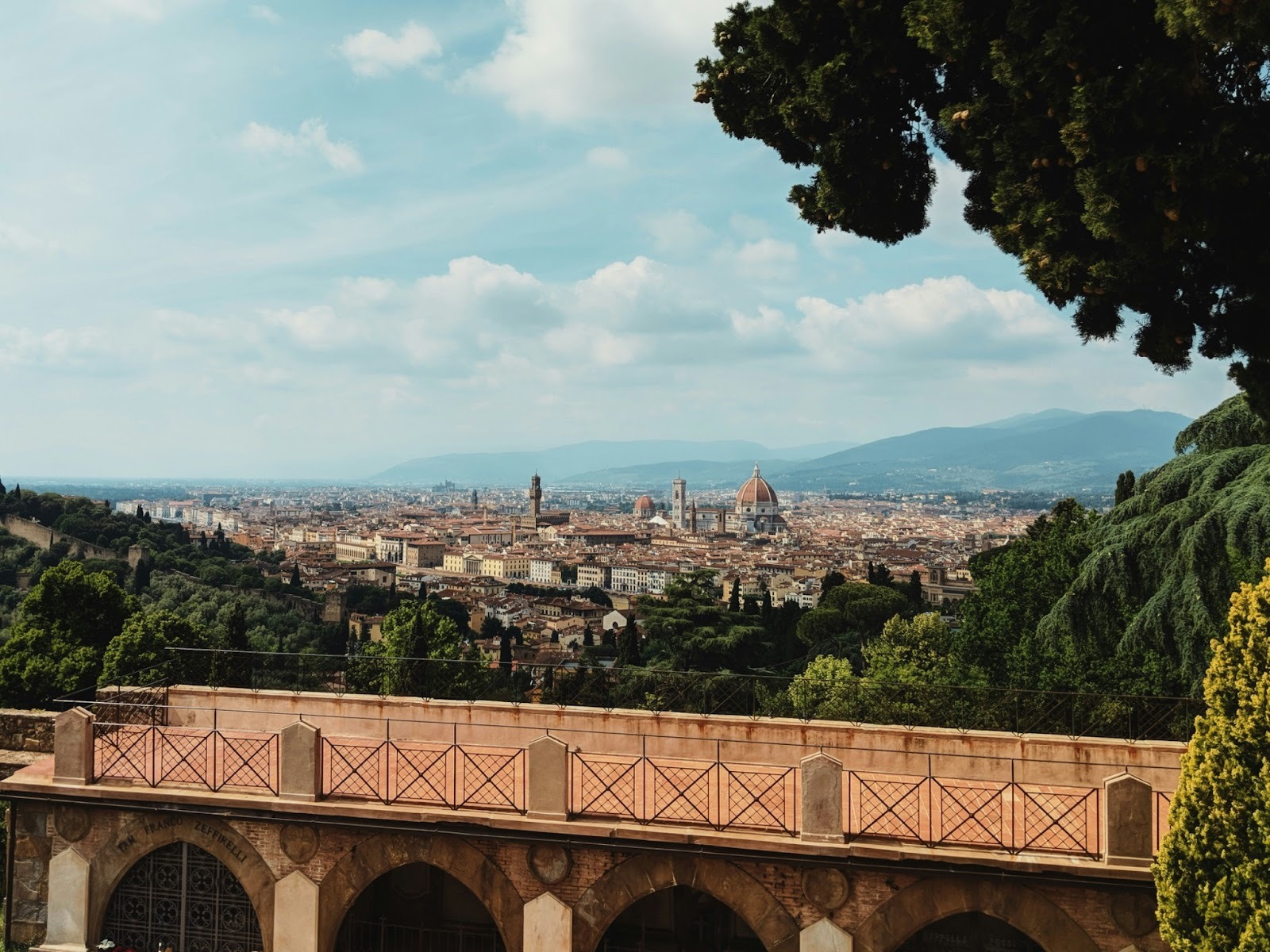
Across the Arno, in Florence, Oltrarno does not perform craftsmanship; it practices it. Workshop doors remain open. The scent of wood or metal drifts outward without announcement. Tools rest mid-task on workbenches that feel used rather than displayed.
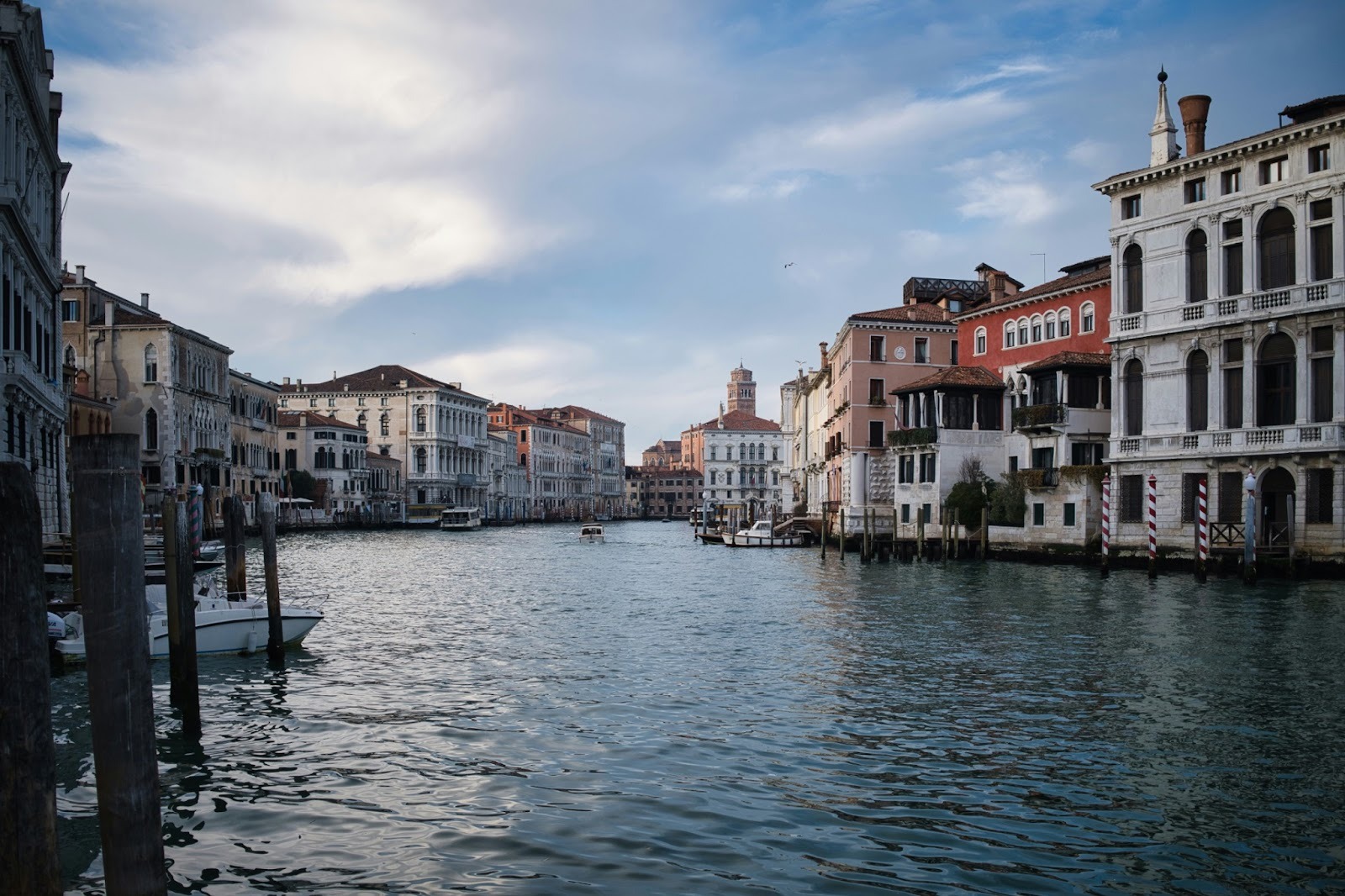
Journeys continuing further sometimes follow paths like the train from Rome to Venice, where plains stretch outward and water eventually interrupts them, though even there the change feels gradual. What remains consistent is the sense of motion threading through districts that never quite close themselves off.
In Oltrarno, focus narrows. Hands move carefully over material. The outside world continues, but softly.
Texture Over Monument
Neither Trastevere nor Oltrarno relies on scale. There are no overwhelming façades here, no sudden plazas that demand attention. Instead, detail accumulates — worn steps, carved doorframes, a chisel resting against a bench.
The difference between Roman cobblestone and Florentine pavement feels less geographical than tactile. One feels smoothed by repetition. The other feels slightly firmer underfoot. Yet both hold the same measured cadence.
Light shifts without instruction. Afternoon warmth deepens into evening shadow. The districts continue.
The Narrow Thread Between Them
Later, it becomes difficult to remember which alley belonged to which city. A cracked plaster wall overlaps faintly with a workshop shelf. The echo of a scooter in Rome aligns with the quieter hum of tools in Florence.
The rail journey between them feels less like transition and more like extension — fields passing in muted tones, small stations appearing and dissolving without insistence. Even the memory of distance softens.
What remains is not contrast, not even comparison, but a thin, steady thread — hand to stone, street to workshop, movement carried forward without declaration.
And somewhere along that thread, the artistic pulse persists quietly, neither elevated nor concluded, simply ongoing beneath the same shifting Mediterranean light.
The Sound That Lingers After Movement
Later, what remains is not image but sound — a distant conversation caught between walls, the muted scrape of wood against metal, footsteps crossing uneven ground. The sounds do not compete; they overlap softly, layering one district over the other.
The journey between Rome and Florence recedes into background hum, like a note sustained just below hearing. Fields blur. Platforms pass without emphasis. The memory of movement becomes lighter than the memory of texture.
And somewhere between echo and handwork, between plaster and grain, the rhythm continues quietly — not framed as heritage, not elevated as artistry, simply present in the ongoing conversation between material, motion, and time.