Seeing a massive industrial load on the highway is a reminder of the scale of modern construction. These vehicles carry the components for bridges, wind turbines, and heavy factory machinery across the country. The sheer volume of the cargo demands respect from everyone sharing the road.
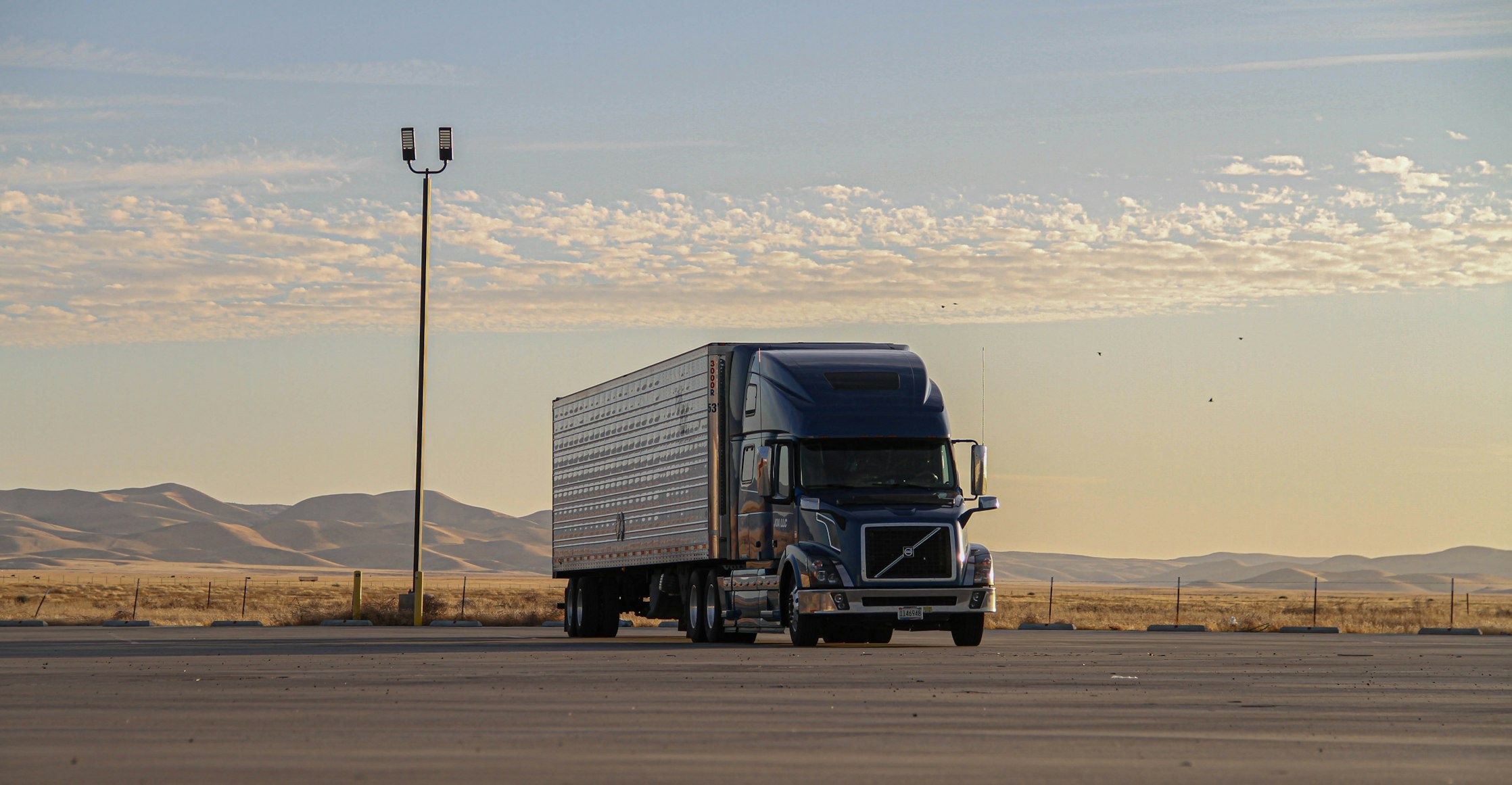
Operating these giants is not a task for the inexperienced or the impatient. Every mile requires intense concentration and a deep knowledge of the physical limitations of the rig. A small mistake that might be a nuisance in a car becomes a disaster here.
Public safety depends on a strict adherence to specialized regulations and warning systems. Drivers must be aware of how the extra width or height impacts their ability to maneuver through tight spaces. Navigating an oversize load truck safely is a massive logistical challenge that leaves no room for error.
Navigating a Maze of Permits and Routes
State governments maintain a tight grip on where and when these industrial giants are allowed to travel. Before the tires ever touch the asphalt, a team must secure specific permits for every jurisdiction along the path. These documents outline the exact roads that can handle the weight.
Local authorities often restrict these movements to certain hours of the day to avoid peak traffic. Moving a massive structure during rush hour would create an unacceptable level of risk for the general public. These timing constraints are a vital part of the safety plan.
Engineers must also verify that every bridge and overpass on the route has the clearance needed to avoid a strike. A single low hanging wire or a narrow tunnel can bring the entire operation to a grinding halt. Planning is the most important part of the journey.
The Vital Function of Pilot Cars
Escort vehicles act as the eyes and ears for the driver of the primary truck. These smaller cars travel ahead and behind to warn other motorists that something unusual is approaching. They provide the necessary buffer zone that allows for safe lane changes and turns.
Pilot drivers use radios to communicate real time hazards like road debris or sudden traffic jams. This constant stream of information allows the heavy hauler to adjust their speed long before a problem becomes a crisis. It is a partnership built on constant vigilance.
Legally, these escort teams are responsible for managing the flow of traffic at intersections and narrow passages. They use flags and flashing lights to signal when it is safe for others to pass. Their presence is a critical layer of protection for every nearby driver.
The Danger of Restricted Space
When a vehicle is wider than a standard lane, it inevitably encroaches on the space of others. This is particularly dangerous on two lane roads or when crossing narrow bridges where there is no shoulder. Other motorists must be extremely careful not to get squeezed out.
Turns require a massive amount of swing room, often forcing the truck to use the opposing lane to clear the corner. If a car is waiting too close to the line, a collision is almost guaranteed. These blind spots are much larger than those on a standard semi.
Bridges pose a unique hazard because there is nowhere for the truck or the passenger cars to go. If the hauler drifts even slightly, they can pin a smaller vehicle against the concrete barrier. Precision steering is the only thing preventing a side swipe accident in these spots.
The Chaos of Unstable Cargo
Securing a load that weighs tens of thousands of pounds is a mechanical science that must be perfect. Chains and straps are under immense tension to ensure the cargo does not move an inch during the trip. Any failure in this system leads to instant catastrophe.
If a massive piece of equipment shifts while the truck is at highway speeds, it can flip the entire trailer. The momentum of the cargo is enough to overpower the brakes and steering of the tractor. Once the balance is lost, the driver becomes a passenger.
Debris falling from an unsecured load creates a lethal obstacle course for everyone behind the truck. High speed impacts with industrial components leave very little chance for survival for those in smaller cars. This type of negligence is a severe breach of the public trust.
Conclusion
Safety in the world of heavy industrial hauling is a shared responsibility that involves many different professionals. From the engineers who plan the route to the drivers on the ground, everyone has a job. When this system breaks down, the consequences are felt by the community.
Determining who is at fault for a collision involving a massive rig requires looking at the entire team. A mistake by a pilot car or a failure in the maintenance of the trailer can be the root cause. Accountability ensures that the standards for safety remain high.
Ultimately, the goal is to move the building blocks of our society without putting lives in danger. Respecting the size and the limitations of these vehicles helps keep the highways moving smoothly. Proper planning and professional execution are the keys to a successful delivery for everyone.