However, being consistent with nutrition, fitness, and health is easier said than done. With busy lifestyles, conflicting health opinions, and no one to hold you accountable, it can be tough to stick to healthy habits.
This is where digital health solutions come into play – not as a substitute for discipline, but as a fantastic tool to help you out.
There are numerous digital health tools available today that can help you make better decisions, stay on track, and develop healthy habits.
Here are 9 types of digital health tools that can help you improve your nutrition, fitness, and overall health goals.
1. Nutrition Coaching Software for Personalized Eating Plans
Among the most influential innovations in contemporary wellness is nutrition coaching software from FitBudd.
Unlike traditional calorie-tracking apps, these tools enable users and their coaches to develop personalized nutrition plans according to their objectives, lifestyle, preferences, and progress.
Nutrition coaching software helps track:
- Daily food and macronutrient consumption
- Adherence and consistency with meals
- Progress towards fat loss, muscle building, or health objectives
For individuals seeking long-term solutions rather than quick fixes like diets, nutrition coaching software can help promote healthy eating habits while providing accountability and insights.
2. Fitness Training Apps for Structured Workouts
Fitness training apps have moved beyond the simple exercise database.
Modern applications include structured workout programs, tracking, and dynamic scheduling based on performance.
These apps help users:
- Recording workouts and monitoring strength progress
- Engaging in structured home or gym workouts
- Maintaining regular training sessions
When combined with nutrition-coaching software, fitness apps create a more comprehensive health ecosystem by linking training performance with eating habits.
3. Habit-Tracking Apps for Lifestyle Consistency
A healthy lifestyle is built on habits such as hydration, sleep, exercise, and healthy eating.
Habit-tracking apps are designed to promote consistency over intensity, making them the best choice for people who want to make long-term lifestyle changes.
Key benefits include:
- They allow users to track their progress visually for daily habits.
- They have reminder and streak features that help users stay motivated.
- They help users become more aware of their behavior patterns.
These apps can be used alongside health and fitness apps because they help users develop healthy habits that lead to a healthy lifestyle.
4. Wearable Fitness Trackers for Real-Time Data
Wearables like fitness trackers and smartwatches offer real-time feedback on physical activity and recovery.
They offer insights into activities such as steps, heart rate, calories burned, and sleep quality.
The information is even more valuable when combined with nutrition coaching software or fitness platforms, allowing users to:
- Make adjustments to the diet based on physical activity
- Track recovery and stress levels
- Gain insights into how lifestyle decisions impact performance
Wearables fill the gap between hard work and results by allowing users to measure their activity.
5. Meal Planning & Food Logging Tools
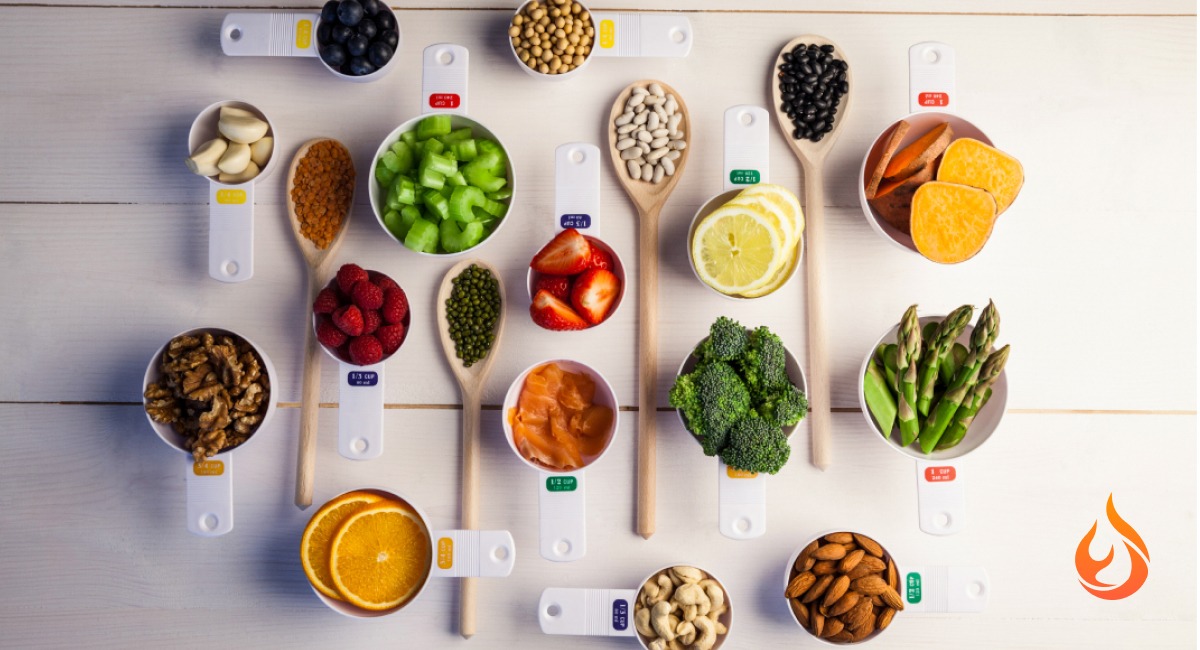
Meal planning software makes nutrition easier by minimizing decision fatigue.
The software enables users to plan meals, create grocery lists, and track food consumption with ease.
Benefits include:
- Enhanced portion control
- Optimized nutrient distribution
- Less dependence on processed foods
Meal planning software can be used alongside nutrition coaching software to ensure the nutritional plan is feasible and realistic.
6. Recovery & Sleep Optimization Apps
Recovery is an important but frequently underrated aspect of fitness and health.
Sleep and recovery apps analyze sleep, stress, and readiness to exercise.
These tools help users:
- Recognizing problems with sleep quality
- Improving rest days and training intensity
- Aiding in hormonal balance and energy
Effective recovery complements the benefits of fitness training and nutrition plans, making these apps an excellent addition to any health-related digital toolkit.
7. Health Dashboard Platforms for Holistic Tracking
Some digital tools serve as centralized health dashboards, aggregating data from various apps and devices.
This enables users to understand the interplay between nutrition, fitness, sleep, and habits.
These platforms are particularly effective for:
- Tracking long-term progress
- Analyzing trends and plateaus
- Aiding in data-driven lifestyle changes
When nutrition coaching software is integrated with a health dashboard, it offers more insights into the impact of nutrition on overall health.
8. Coaching & Accountability Platforms
Accountability is one of the most reliable predictors of success.
The coaching platforms allow users to stay connected with health professionals, trainers, or nutrition coaches via messaging, progress monitoring, and feedback.
The platforms can integrate:
- Fitness programming
- Nutrition coaching software features
- Habit and progress tracking
This allows for a more personalized and interactive health experience that evolves as goals change.
9. AI-Powered Health & Nutrition Tools
Artificial intelligence is also used to analyze health-related data and provide recommendations.
AI-powered tools can suggest modifications to workouts, diets, or habits based on user engagement.
In the nutrition coaching software, AI assists with:
- Analyzing nutritional deficiencies
- Enhancing user compliance with more informed recommendations
- Modifying plans dynamically according to changes in user progress
This level of personalization ensures that users stay on track with their long-term goals rather than resorting to short-term fixes.
Final Thoughts
Technology has revolutionized the way we engage with health, fitness, and nutrition. When used properly, technology eliminates guesswork, increases consistency, and helps clarify what really works for the individual.
By integrating fitness software, habit trackers, wearable technology, and nutrition coaching software, individuals can create a networked health system that facilitates progress.
The trick isn’t to incorporate every available tool; it’s to leverage the ones that work best for your goals and commitment to health.