There are differences between commercial and residential roofing since they are used on various types of buildings, structures, and use requirements. Although the two prevent weathering and other damages to the building, the materials, mode of installation, and maintenance requirements differ greatly.
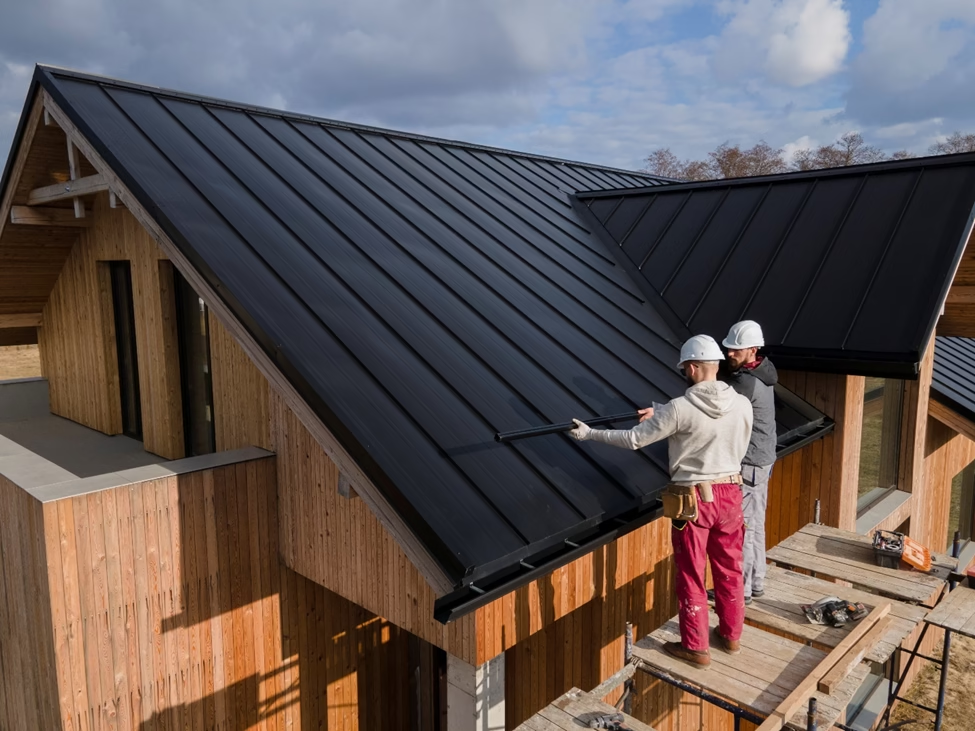
Residential roofing is built on houses and smaller buildings with steep or moderate slopes. These roofs are designed to shed water quickly and often focus on appearance as well as protection. Commercial roofing is usually built on larger structures such as offices, warehouses, and retail buildings, which commonly have flat or low-slope roofs.
Before choosing a roofing approach, it helps to understand the area where the building is located. Galloway has mixed weather with rain, wind, and seasonal changes in temperature. Weather can influence the performance of roofs in the long run and the choice of material and installation technique should be based on this. Working with a Galloway Roofing company becomes essential here, because local experience aids in dealing with climate-specific roofing issues.
What Are the Main Structural Differences?
One of the biggest differences between commercial and residential roofing is roof design. The roofs in homes have slopes, so the water and debris slide off the roof with ease. Commercial roofs are usually flat and need special drainage systems to avoid water stagnation.
Some structural differences are:
- Residential roofs with steep slopes.
- Low sloping or flat roofing in commercial structures.
- Greater trading roof area.
- Merchant property drainage systems are more complicated.
Commercial roofs are large and therefore minor errors during installations can end up affecting a large part of the building.
How Do Roofing Materials Differ?
Residential roofing materials are often chosen for appearance as well as function. Asphalt shingles, metal panels, and tiles are common because they blend well with home designs.
Commercial roofing focuses more on durability and performance.
Common materials include:
- TPO and PVC membranes
- Modified bitumen
- Built-up roofing systems
According to the U.S. Department of Energy, roofing materials and insulation contribute significantly to the transfer of heat and the efficiency of buildings in terms of energy. These materials should be able to support both foot traffic and equipment weight as well as stand the test of time (prolonged exposure to sunlight).
How Do Installation and Safety Vary?
Residential roofing projects are usually completed faster due to smaller roof sizes and simpler layouts. Commercial roofing installation is more time-consuming and needs specialized tools, training, and safety preparation.
Commercial roof covers usually involve:
- Heavy materials and equipment
- Teams of trained specialists
- Strict safety procedures
- Adherence to building and workplace standards
According to the Occupational Safety and Health Administration (OSHA), fall prevention and safety measures are extremely important when performing roofing work, particularly on big commercial buildings.
What About Maintenance and Repairs?
Maintenance needs also differ between the two roofing types. The roofs of residential houses are normally checked following storms or during a normal home maintenance. Scheduling inspections of commercial roofs is necessary to check drainage systems, seams, and surface wear.
Commercial roof maintenance includes:
- Checking membrane seams
- Clearing drains and gutters
- Checking for punctures or pondering water
- Preventing small problems from magnifying
Due to the increased difficulty in commercial roof replacement, preventive maintenance is important to prolong their life.
Key Takeaways
- There are various structural requirements for residential and commercial roofs.
- Roofs in the business premises need special materials and drainage.
- The way of installation is done and safety is considered are very different.
- Large commercial roofing systems require more maintenance.
The knowledge of such differences assists property owners in making good decisions and installing roofing systems that last over time.