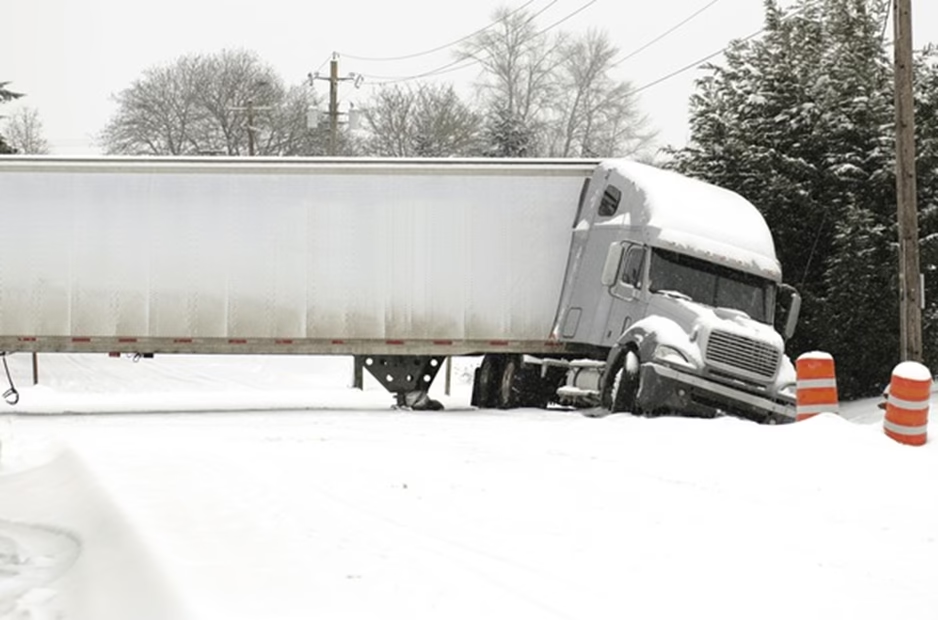
Jackknife truck accidents involve a large truck whose trailer swings out to one side to form an angle with its cab, resembling a folding knife. These are dangerous accidents, as they may involve many other vehicles and create very extreme impact forces. Due to the size and weight of commercial trucks, occupants of other tiny vehicles are highly prone to serious injuries during such accidents.
It is crucial to understand the jackknife truck accident causes and injuries, as this can help appreciate just how serious these types of crashes can be. Jackknife accidents may occur because of sudden braking, slippery road conditions, speeding, poor cargo loading methods, or even driver fatigue. When this kind of truck loses control this way, any nearby vehicles will not have sufficient time to act, and the prospect of serious injury goes up.
How Often Jackknife Crashes Result in Injury
Large truck motor vehicle collisions continue to be one of the significant highway safety concerns in the United States. According to the available information from the National Highway Traffic Safety Administration about road safety, collisions involving heavy vehicles are normally associated with severe injuries because of the force involved. When a swinging trailer strikes or pins smaller vehicles, victims of jackknife truck accidents are particularly vulnerable.
Federal oversight of commercial trucking safety is handled by the Federal Motor Carrier Safety Administration’s safety division , which tracks risks and the safety of commercial trucking. It monitors the risks that lead to crashes and safety issues concerning large trucks. Data provided by federal agencies indicates that commercial vehicle crashes are likely to result in more severe injuries compared to typical passenger-car accidents.
Head and Brain Injuries
Head and brain injuries are some of the most common results of jackknife truck accidents. Victims can hit their head against the steering wheel, window, or even the dashboard during impact. Such an injury can range from mild concussions to severe traumatic brain injury. Brain trauma may further cause memory loss, confusion, dizziness, and even long-term cognitive problems.
Spinal Cord and Back Injuries
Jackknife accidents may occur with sudden twisting and violent force that can seriously affect the spine. Victims may experience herniated discs, fractured vertebrae, or nerve damage. Severe spinal cord injuries may further cause partial or total paralysis. These injuries often involve long-term medical care and rehabilitation.
Broken Bones and Fractures
Broken bones are extremely common in jackknife truck collisions due to the crushing force of the impact. The arms, legs, ribs, and hips are particularly prone to these types of injuries. Some fractures heal with rest and treatment, while others require surgical procedures and extensive recuperation time.
Internal Injuries Internal
Injuries can be dangerous because they do not immediately present themselves. Blunt force trauma suffered in an accident can seriously damage internal organs, such as the lungs, liver, kidneys, or spleen. Internal bleeding is potentially fatal if not treated by a medical professional promptly.
Neck Injuries and Whiplash
Whiplash and other neck injuries are common when one’s head is subjected to a sudden thrust backward and forward during an accident. This type of motion could cause strain in the neck muscles and soft tissues, leading to pain, stiffness, and limited mobility. Many victims suffer symptoms lasting months.
Cuts, Burns, and Other Trauma
Projectiles in the air, shattered glass, and twisted metals may cause deep cuts and contusions. In some instances, fuel leaks or fires may produce burns. Burns commonly need special medical attention and will often have long-lasting physical and psychological scarring.
Emotional and Psychological Injuries
Aside from physical trauma, jackknife trucking accidents can also inflict emotional harm upon the individuals involved. Anxiety, depression, sleep disorders, and post-traumatic stress are familiar experiences for survivors and sometimes interfere with daily life and relationships.
Key Takeaways
- Jackknife trucking accidents tend to end in serious injury due to the size of the truck and the significant impact involved.
- Common serious injuries include head trauma, spinal damage, fractures, and internal injuries.
- Neck injuries, burns, and emotional trauma are also frequently encountered.
- Federal U.S. safety agencies track high risks with commercial trucking collisions.

[…] Safe driving speed is essential for preventing serious accidents. […]