
Emotional regulation is often described as the “steering wheel” of our mental lives. It is the ability to monitor, evaluate, and modify our emotional reactions so that we can accomplish our goals and stay grounded. In an evolutionary sense, feeling deeply was a survival advantage; a quick flash of fear could save us from a predator.
However, in the modern world, we need to regulate those deep feelings to navigate complex social lives and high-pressure careers. This balance is especially relevant in our relationships, where understanding our internal patterns helps us connect better with others.
For example, learning how to date an anxious attachment style begins with understanding how emotional regulation—or the struggle with it—shapes how we seek closeness and handle the fear of rejection. New neuropsychological research shows that emotional health is not about suppressing your feelings, but about fostering a healthy dialogue between the brain’s “feeling” and “thinking” centers.
The Brain’s Emotional Circuitry
To understand how we regulate emotions, we have to look at the brain’s internal hardware. The first key player is the amygdala, which acts as the “engine” of our emotions. It is responsible for generating rapid, raw emotional responses to the world around us. It identifies potential threats and sounds the alarm long before our conscious mind has a chance to catch up.
The second player is the prefrontal cortex (PFC), which acts as the “brake.” Located right behind your forehead, the PFC provides “top-down” regulation. It helps us pause, think about the consequences of our actions, and decide whether an emotional response is actually helpful in the moment. Finally, we have the anterior cingulate cortex (ACC), which acts as the “mediator.” The ACC’s job is to detect conflicts between what we are feeling and what we actually want to achieve, helping the brain decide which path to take.
Bottom-Up vs. Top-Down Regulation
Psychologists generally categorize regulation into two types: top-down and bottom-up. Top-down strategies are cognitive. This involves “reappraisal”—changing the way we think about a situation to change how we feel. For instance, if a friend doesn’t text back, a top-down approach would be reminding yourself that they are likely busy, which instantly lowers your anxiety.
Bottom-up strategies, on the other hand, are physiological. These interventions target the nervous system directly. If your heart is racing and your breathing is shallow, you can use deep, slow belly breaths or even a splash of cold water on your face to force your body to calm down. These techniques are essential when we fall outside our “window of tolerance”—that optimal zone where we can process feelings without becoming completely overwhelmed or totally shut down.
The Role of Executive Function
Regulating emotions requires a lot of “brain power,” specifically what scientists call executive functions. One major component is working memory. This is the ability to hold information in your mind while doing something else. In the heat of an emotional moment, working memory helps you “remember” your long-term goals so you don’t say something you’ll regret.
Another tool is inhibitory control, which is the neural “stop sign” that prevents us from acting on every impulsive urge. Finally, there is cognitive flexibility. This is the capacity to shift your perspective when your current emotional strategy isn’t working. If getting angry isn’t solving a problem, cognitive flexibility allows you to try a more curious or calm approach instead.
Modern Research Findings
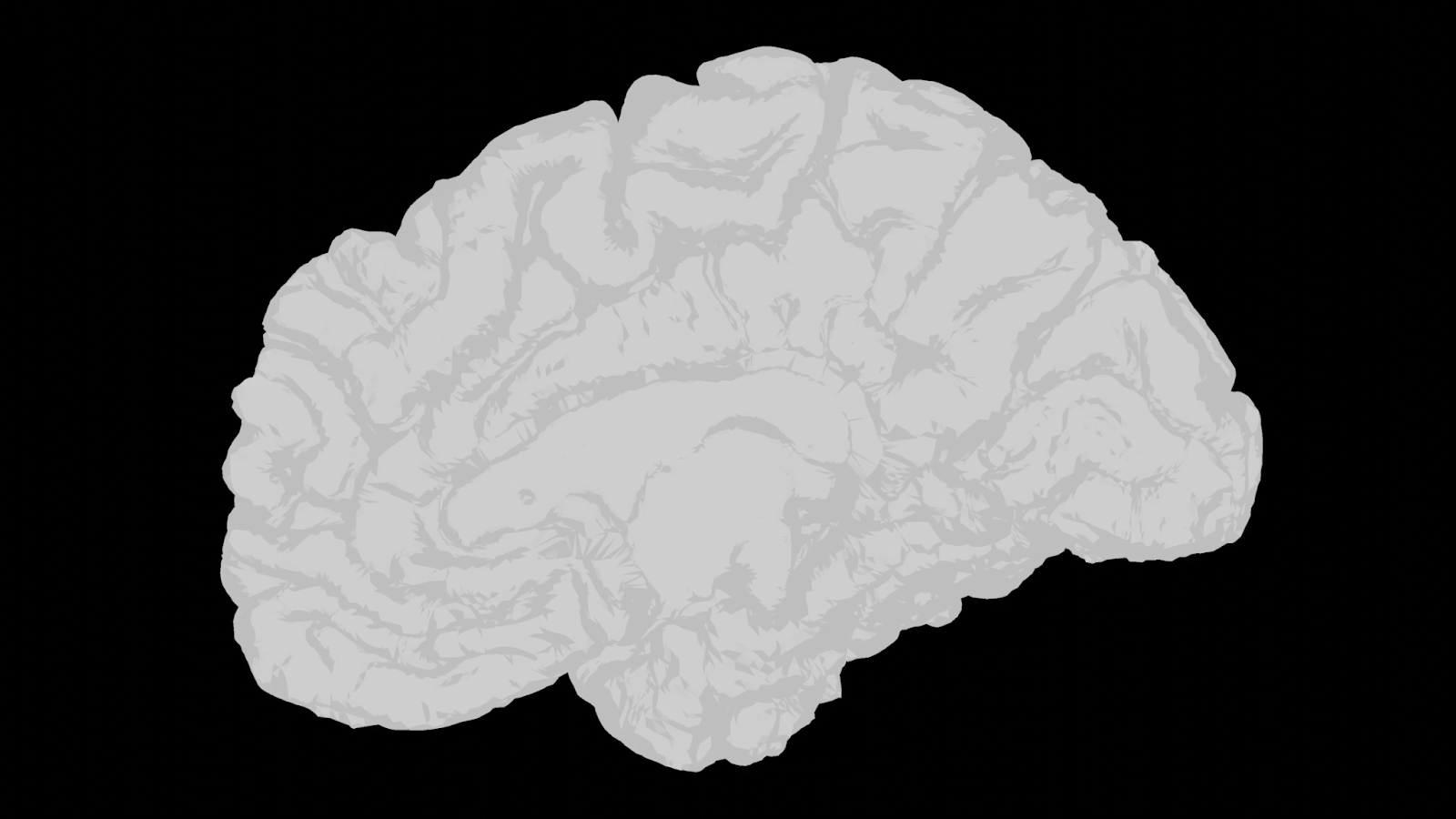
One of the most exciting findings in current research is the power of neuroplasticity. Data shows that the “regulatory muscles” of our brain actually get stronger the more we use them. Consistent practices like mindfulness or journaling have been shown to physically strengthen the connection between the PFC and the amygdala, making it easier to stay calm over time.
We are also learning that biological “maintenance” is non-negotiable for emotional control. A lack of sleep or poor nutrition can literally “unplug” the prefrontal cortex, leaving the amygdala in total control. Additionally, researchers are studying co-regulation. This is the fascinating way our nervous systems sync up with the people around us.
When we are with a calm, grounded person, our own brain finds it easier to regulate, highlighting the importance of supportive relationships in our mental well-being.
Practical Tools for Daily Regulation
Knowing science is one thing, but applying it is another. One of the most effective tools is “affect labeling”—simply naming the emotion you are feeling. Research shows that saying “I feel frustrated” actually reduces activity in the amygdala. By naming the feeling, you move it from the “emotional” brain to the “logical” brain.
Another tool is the “Power of the Pause.” Creating just a few seconds of neural space between a trigger and your response can be the difference between an outburst and a calm conversation.
Finally, in our digital age, setting boundaries is a form of regulation. Managing “emotional contagion”—the way we “catch” the stress or anger of people on social media—is essential for keeping our internal thermostat at a healthy level.
Final Word
Emotional regulation is a skill that we can improve, not a fixed trait we are born with. True emotional health isn’t about having a “flat” emotional life where nothing bothers you; it is about having the ability to feel the full spectrum of human experience while remaining in the driver’s seat. By understanding the interaction between our amygdala and our prefrontal cortex, we can move through life with more curiosity and less judgment toward ourselves. As we continue on the path of self-discovery, we learn that being grounded isn’t about the absence of storms—it’s about knowing how to steer our own ship through them.
