Austin to New Orleans in seven days: a music-festival road-trip through the South
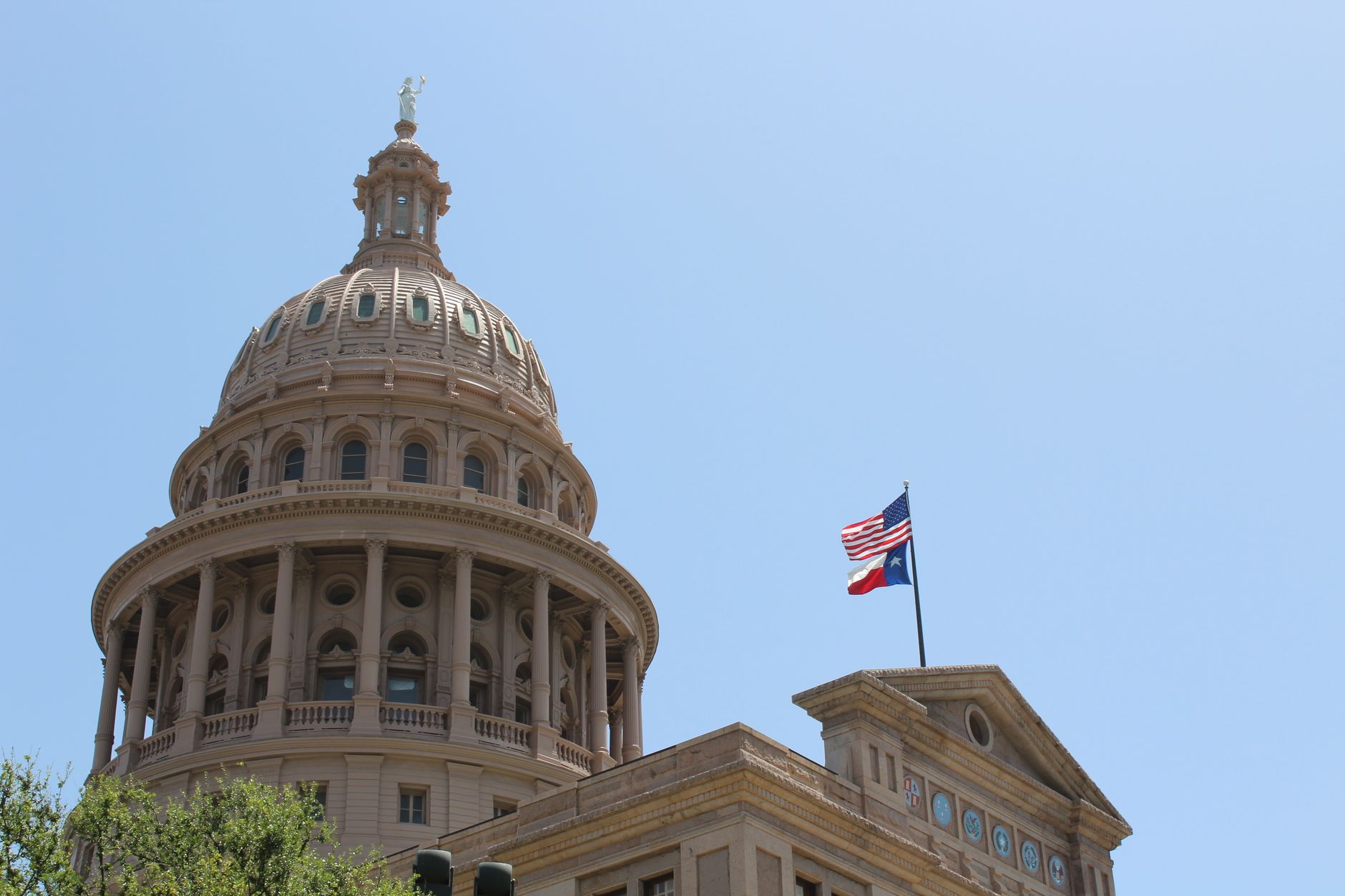
Low angle view of the Texas State Capitol dome and flags in Austin, Texas.
Photo: Ruben Reyes via Pexels
The first night of the trip, I stood under the staircase at the Continental Club on South Congress while a four-piece I’d never heard of played a song that I now cannot stop thinking about. It was a Tuesday in March 2026 and there was a $5 cover and a man at the bar in a pearl-snap shirt who looked like he had been at every show in this room since 1986. The band finished, the bass player set his Höfner on a stand, and somebody yelled for one more. They played one more. That is how this trip starts.
I drove the route the next morning in a rented Subaru with a friend who books shows in Austin and knows which Dallas green-room has the best coffee. Seven days. Five cities. About 720 miles of interstate, farm road, and one cracked stretch of I-49 north of Alexandria. This is the guide I wish somebody had handed us at the airport.
TL;DR
- Seven days, five cities, roughly 720 driving miles: Austin, Dallas, Bossier-Shreveport, Lafayette, New Orleans.
- Festival-rotation dates matter. SXSW (Austin, mid-March), Mudbug Madness (Shreveport, late May), Festival International de Louisiane (Lafayette, late April), Jazz Fest (NOLA, late April-early May). Book around one and the rest of the trip rides on its coattails.
- Two nights in Austin, one in Dallas, one in Bossier, one in Lafayette, two in New Orleans. Skip nothing in the middle stretch.
- Tickets to anchor shows go inside a week for the smaller rooms (Continental, Mohawk, Deep Ellum’s Three Links). Buy them before you fly.
- Carry a paper map of the I-49 corridor. The Atchafalaya Basin will eat your data and your GPS pin.
Why these five cities, and why in this order
Austin first because the airport is cheap to fly into and because the Tuesday-to-Thursday club nights are the best entry point to the regional sound: country roots, Tejano-leaning rock, the kind of indie that still smells like a smoke machine. Dallas second because Deep Ellum is a ninety-minute drive that feels like a different state, and because the city’s record-store map (Josey Records, Off the Record) is a half-day in itself.
Bossier-Shreveport third because almost nobody on the festival-circuit map writes about it, and because Flying Heart Brewery on Barksdale Boulevard is the kind of room where the band loads their own gear in. Lafayette fourth for the dancehalls (Blue Moon Saloon and the Whirlybird) and the Cajun two-step nights on a Thursday. New Orleans last because Frenchmen Street earns the final two nights and because the drive back to the airport at MSY is short enough to do tired.
You can flip the route. I have. East-to-west is harder on jet lag and you arrive in Austin with no fight left for a four-hour Mohawk night.
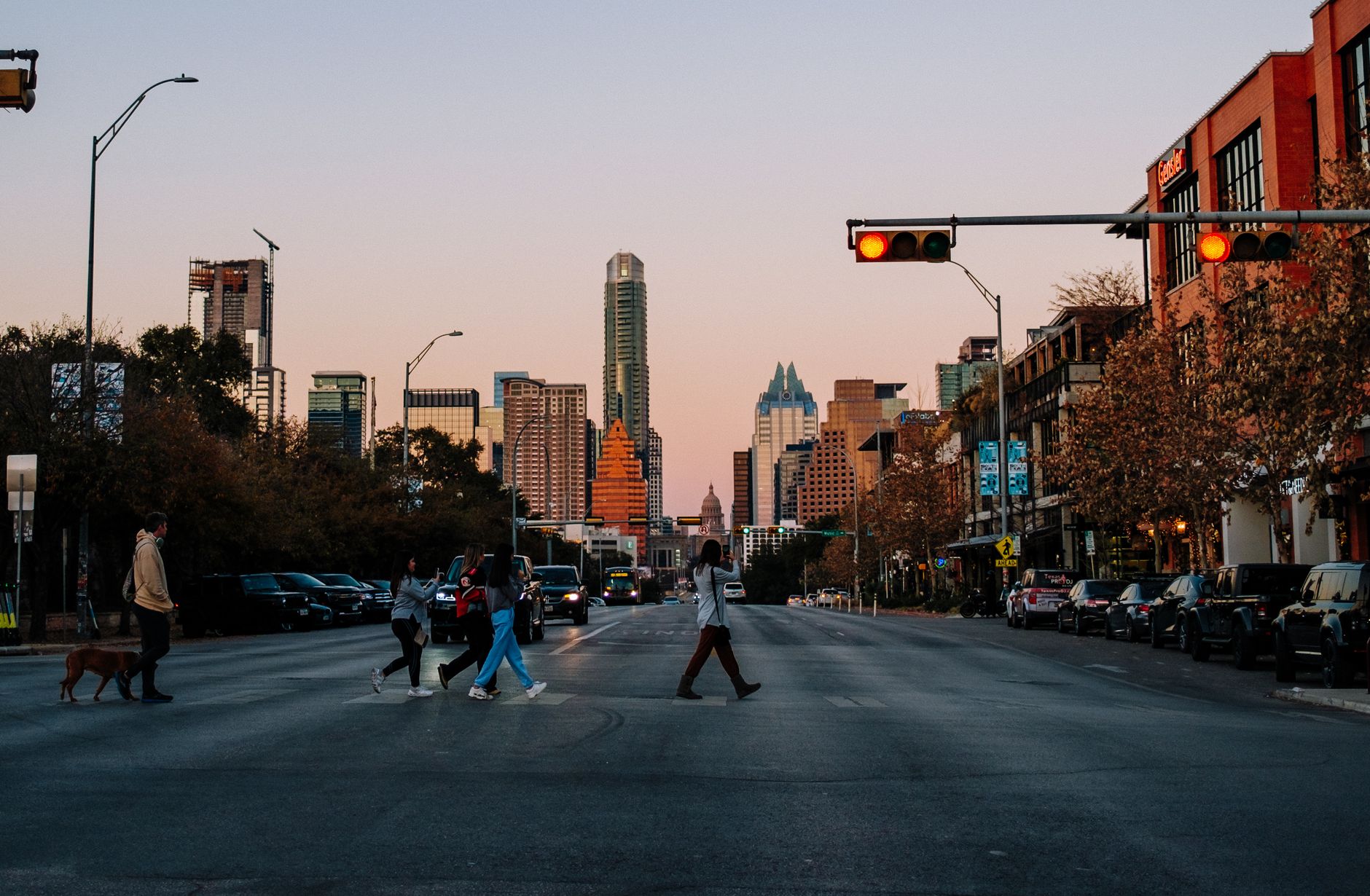
People crossing a city street in Austin, Texas at sunset with the skyline in the background.
Photo: Jeswin Thomas via Pexels
A 7-day driving plan
| Day | Drive | City | Anchor venue | Sleep |
|---|---|---|---|---|
| 1 | (fly in) | Austin | Continental Club | Austin |
| 2 | Austin (city) | Austin | Mohawk / Hotel Vegas | Austin |
| 3 | Austin → Dallas (195 mi) | Dallas | Three Links, Deep Ellum | Dallas |
| 4 | Dallas → Bossier-Shreveport (190 mi) | Bossier | Flying Heart Brewery | Bossier |
| 5 | Bossier → Lafayette (240 mi) | Lafayette | Blue Moon Saloon | Lafayette |
| 6 | Lafayette → New Orleans (135 mi) | New Orleans | The Spotted Cat, Frenchmen | New Orleans |
| 7 | New Orleans (city) | New Orleans | Tipitina’s or Preservation Hall | New Orleans (fly out next day) |
Day one is for the East Sixth Street drift. Land, drop the bag, walk Rainey Street to the Continental and back. Don’t book a 9 p.m. show on landing day. Book a 10:30. The earlier slots in Austin are warm-ups; the late ones are the bands the booker actually wants you to see.
Day two is the Red River District. Mohawk in the early evening for the upstairs patio set, Hotel Vegas after midnight for whatever the East-Side bill is doing. Eat barbecue at La Barbecue on East Cesar Chavez before either show because the line moves and the brisket runs out by 2 p.m. on weekdays.
Day three is the I-35 north run to Dallas. Three hours, mostly flat, one detour to West for kolaches at the Czech Stop. Deep Ellum opens at sundown. Three Links for the indie bill, Adair’s Saloon for the country one, Off the Record for a record-shop session and a bar in the same room. Sleep near Main Street so you can walk home.
Day four is the long eastbound stretch on I-20 to Bossier City. Roll into Flying Heart Brewery in time for the 6 p.m. taproom set. The Municipal Auditorium across the river in Shreveport is where the Louisiana Hayride used to broadcast, and the building is still standing; the night I was through, a local label had a four-band showcase in the lobby for $15. Eat at Marilynn’s Place before the show. The catfish étouffée is not subtle.
Day five is the prettiest drive. I-49 south through Alexandria, then the swing east into Cajun country. Lafayette is where the trip changes register. Blue Moon Saloon’s back porch on a Thursday is a fais do-do, accordion and fiddle and rubboard, and the dancing is real, not performative. The Whirlybird if the Blue Moon is full. Eat at Johnson’s Boucanière for boudin breakfast before you drive out.
Day six is the run into New Orleans on I-10 through the Atchafalaya Basin. The drive is twenty minutes of swamp bridge that will swallow your phone signal and your trip-mate’s audio book at the same time. Frenchmen Street that night. The Spotted Cat for the brass-and-swing room, d.b.a. next door for the singer-songwriter slot, Bamboula’s for late-night Cajun. Stay in the Marigny if you can.
Day seven is one big show, slowly. Tipitina’s if there’s a bill that fits, Preservation Hall if there isn’t. Eat dinner at Coop’s Place on Decatur. Pack the car. Drive to MSY in the morning, not the same night. You will have been loud for a week.
The festival rotation that actually matters
SXSW in mid-March turns Austin into the trip’s gravity well; book it as the anchor and the rest of the week falls in line. Jazz Fest in late April and early May is the same lever in New Orleans; the cross-town shows during Jazz Fest weekends are the best small-room nights of the year. Festival International de Louisiane in Lafayette runs the last weekend of April and is free, outdoor, and the cleanest large-festival operation I’ve been to in the South. Mudbug Madness in Shreveport closes Memorial Day weekend with crawfish and a main-stage country bill.
Pick one as your anchor. The trip pivots around it.
Staying online across the USA
A road trip is not the place to be on your phone. A road trip where your map app is the only thing standing between you and a U-turn on the LA-1 Belle Chasse Bridge is a different question.
What carrier coverage actually looks like between Austin and New Orleans
Here is the honest map. Interstate 35 between Austin and Dallas is full 5G on every US carrier, including AT&T, Verizon and T-Mobile US. Interstate 20 through East Texas drops to 4G in patches around Marshall and Greenwood. The I-49 corridor between Shreveport and Alexandria is patchy past sundown and the cellular map in the Atchafalaya Basin on I-10 is the single weakest stretch of the whole trip; T-Mobile US drops first, AT&T holds longest, Verizon sits in the middle.
I had a HelloRoam — the carrier-agnostic plan loaded for the trip; it routed through AT&T across most of the route, which mattered on the Atchafalaya leg because AT&T is the only network with usable signal past Henderson. Download offline Google Maps tiles for Austin, Dallas, Shreveport, Lafayette and the New Orleans CBD before you leave the hotel. Screenshot every ticket confirmation. Save the venue phone numbers as contacts.
When you need data and when you don’t
You need data for: ticket confirmations, the GPS pin for the green-room entrance (not the front door), the setlist app for the band you’re about to see, the rideshare home after the show, and the weather for any outdoor festival day. You don’t need data for: the drive itself, once the offline maps are loaded.
Put the phone in the centre console between cities. The two-lane farm-road approach to Lafayette is forty minutes of cypress trees and rice fields, and you will hate yourself if you spent it scrolling.
What to actually listen for at each stop
Austin trades in country-leaning indie and brown-eyed Tejano rock; ask a bartender at Hotel Vegas who they’re seeing this weekend, not the calendar. Dallas’s Deep Ellum runs heavier (punk roots, hardcore, the occasional shoegaze night), and Three Links is the room to find it. Shreveport-Bossier is gospel-adjacent, deep-Louisiana soul, and the kind of country that hasn’t been to Nashville yet. Lafayette is Cajun and zydeco: accordion-led, French-language, danced on a wooden floor that has been there a hundred years. New Orleans is brass and second-line jazz on Frenchmen, modern jazz at Snug Harbor, and whatever Tipitina’s is doing on whichever night you happen to be there.
Two shows a night. Three at most. Spit the soda between sets if you have to. You are still driving.
Where to eat
In Austin: La Barbecue for the brisket, Veracruz All Natural for the migas taco, Suerte for a dinner that deserves a reservation. In Dallas: Pecan Lodge for the pulled-pork sandwich, Mot Hai Ba for Vietnamese. In Bossier-Shreveport: Marilynn’s Place for catfish, Strawn’s Eat Shop for breakfast pie. In Lafayette: Johnson’s Boucanière for boudin, Pamplona Tapas Bar for dinner, French Press for the cochon-de-lait Benedict. In New Orleans: Coop’s Place on Decatur, Willie Mae’s Scotch House for fried chicken, Café du Monde at 6 a.m. when it’s almost empty.
FAQ
How many days do you need for an Austin to New Orleans road-trip? Seven days is the honest answer for a music-first version of the route hitting five cities. Five days works for an Austin-Dallas-NOLA checklist run. A full ten days is what you do the second time, with side trips to Houston for the Continental Club’s sister room and to Baton Rouge for the LSU-area venues.
Where should you stop between Dallas and New Orleans? Bossier-Shreveport for the Louisiana Hayride history at the Municipal Auditorium and Flying Heart Brewery, then Lafayette for the Cajun dancehalls and Festival International if the dates line up. Skipping either turns the I-20 to I-10 drive into a long admin day.
Are music tickets cheaper at the door or online? At the door for the small rooms (Continental Club, Three Links, Blue Moon Saloon, Spotted Cat), where covers run $5 to $15. Online for anything at Mohawk, Tipitina’s, or Preservation Hall, because those rooms sell out and the door risk is not worth saving the ticketing fee.
What’s the best time of year for this drive? Late March to mid-May is the sweet spot: SXSW tail end, Festival International, Jazz Fest, and weather that hasn’t turned heavy yet. October is the second-best window. Avoid July and August unless you like waiting out a thunderstorm in a parking lot.
Is the Austin to New Orleans drive worth it for somebody who isn’t a hardcore music fan? Yes. The food alone justifies the trip, the small-town stretches between Shreveport and Lafayette are some of the prettiest American driving outside the Pacific Northwest, and the small-room shows are the kind of evening that does not exist in a streaming app. You will come back with a setlist photo of a band you had not heard of on Sunday.
Closing note
I asked the sound engineer at Flying Heart what the best night of the year is in his room. He thought about it for a second and said, the Tuesday after Jazz Fest, because the New Orleans bands that didn’t get a daytime slot drive up here and play for fifty people and a dog.
That sentence is the trip in one line. The South takes its music seriously and itself not at all. Drive it slowly, ask better questions than you walked in with, and tip the band. The route will hand you back a better week than you booked.