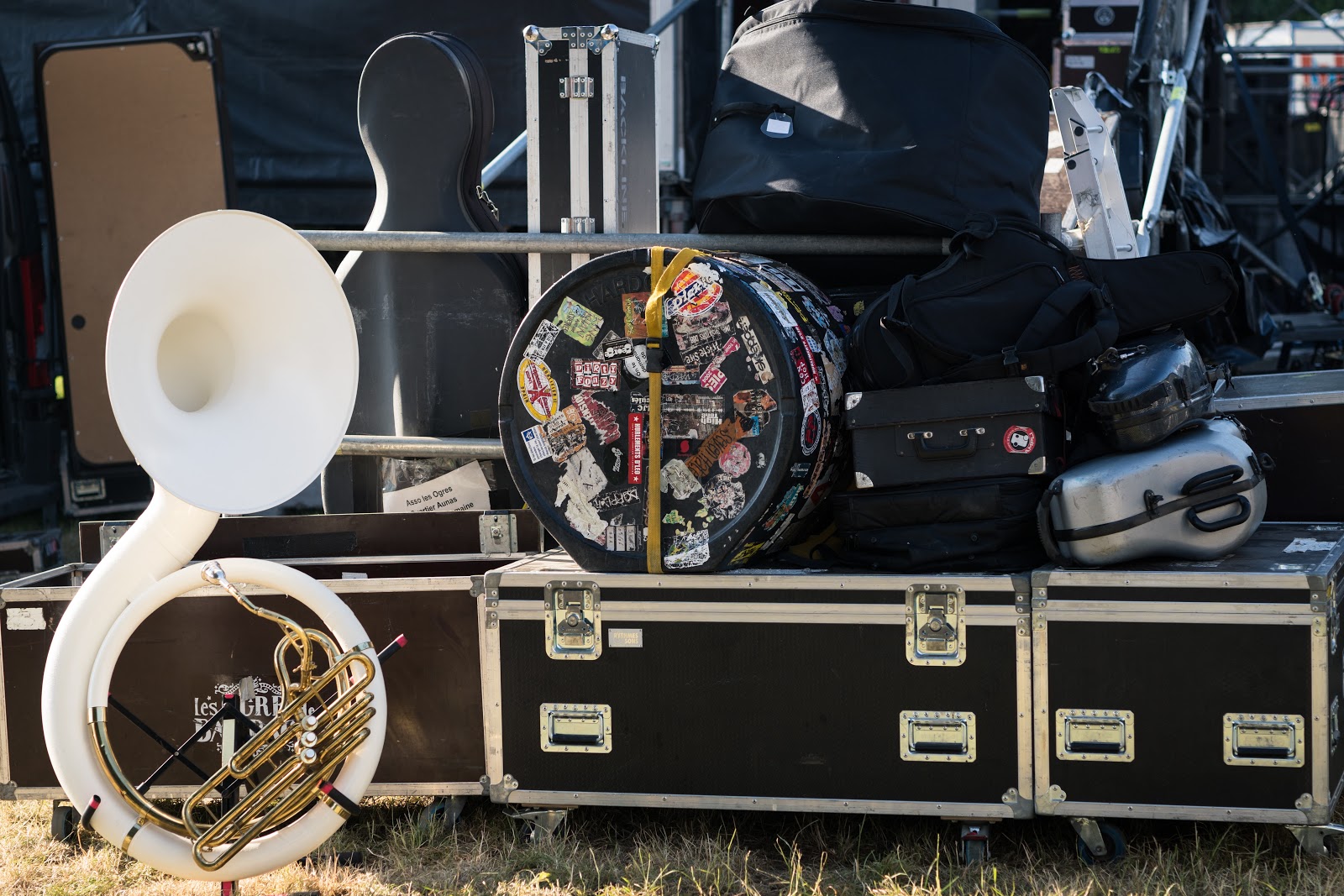
No matter whether you are a professional or amateur musician, you still worry about your instruments and want to transport them safely. Pelican cases have become iconic around the world. No wonder that many musicians are looking for cases similar to Pelican. If you can’t afford to have the original case, you can try an alternative. There are multiple cases for musical instruments on the market, but not all of them are equally good. This is why it is important to know where to look.
Features to Consider When in Doubt
Don’t rush into buying the case for your musical instrument. It usually costs more than a simple fabric bag, and it must match your demands. Look for the next features:
- Materials. Almost all cases for musical instruments are made of polypropylene. It is high-quality plastic, durable, and protective. Yet, some cases are still more reliable than others. The case must be rugged and not too flexible. If there are steel parts, the case will serve you longer.
- Protective foam. There should be protective foam inside the case for your instruments. Usually, it is made of Ether-Like-Easter polyurethane. It is not as expensive as polyester, but it holds the form and is customizable compared to polyester. A thick layer of ELE does not allow the instrument to sink deeper into the case.
- Lightweight. You will have to move a lot. Usually, the instrument is not that light. The case must not add too much weight. If you travel for quite some time, you might consider the cases on wheels with a large handle.
- Pressure release valve. This is an incredibly important feature to have in the case. If there are changes in the pressure, you will need it. Thus you will be able to save sensitive musical instruments from being squeezed by the air pressure in the airplane.
Decent Alternative for Pelican Case
It is not simple to find the exact copy of Pelican. Yet, you might not have to do it. All you need is to find the case that will keep your musical instruments safe and help you to transport them with ease.
